
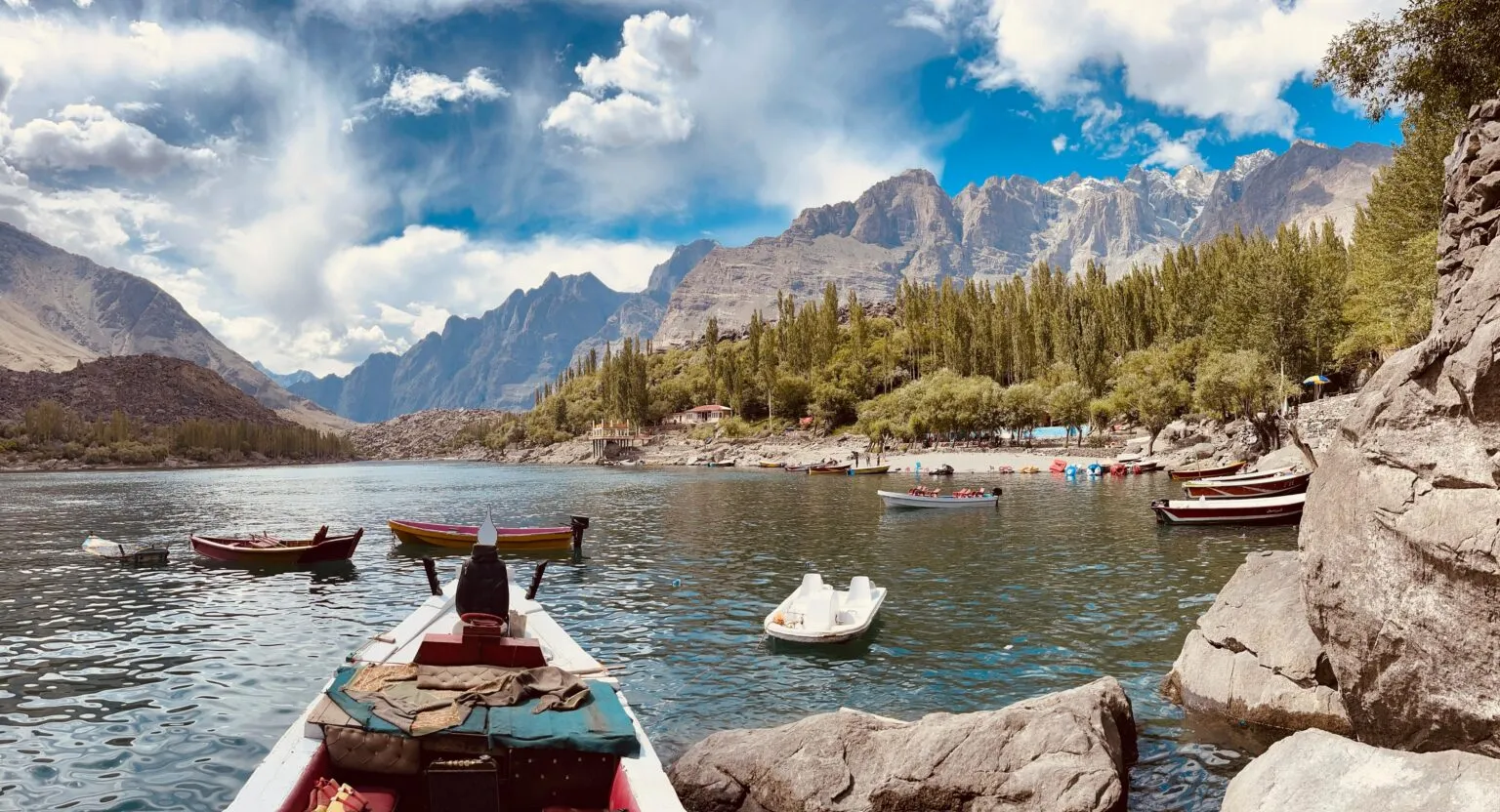
How does spring weather influence travel plans in Gilgit-Baltistan?
Spring weather in Gilgit-Baltistan improves travel conditions but can still bring unpredictable mountain weather. Snowmelt gradually opens routes, yet some high passes may remain closed early in the season.
Continue reading →Can flash floods occur in northern valleys during heavy rain?
Yes, flash floods can occur in northern valleys during periods of heavy rain. Sudden downpours can rapidly increase river and stream levels.
Continue reading →Can glacial melt increase river levels in Gilgit-Baltistan during summer?
Yes, glacial melt can increase river levels in Gilgit-Baltistan during summer. Rising temperatures accelerate snow and ice melt, raising water flow in major rivers.
Continue reading →Can snowfall delay public transport services in northern Pakistan?
Yes, snowfall can delay public transport services in northern Pakistan. Road conditions and visibility often affect bus and van schedules during winter.
Continue reading →Can snowfall increase the risk of road accidents in northern Pakistan?
Yes, snowfall increases the risk of road accidents in northern Pakistan. Snow and ice reduce traction and visibility, making driving more hazardous.
Continue reading →Can the Karakoram Highway close due to landslides?
Yes, the Karakoram Highway can temporarily close due to landslides. Heavy rain or rockfall may block sections until debris is cleared.
Continue reading →Can access to Fairy Meadows be closed due to road conditions?
Yes, access to Fairy Meadows can close due to road conditions. Snowfall, landslides, or unsafe jeep track conditions may temporarily block entry.
Continue reading →Are roads to Skardu ever closed during winter?
Yes, roads to Skardu can temporarily close during winter. Heavy snowfall and icy conditions may block mountain sections of the route.
Continue reading →Can mountain roads to Astore close during bad weather?
Yes, mountain roads to Astore can close during bad weather. Snowfall and landslides may temporarily block key access routes.
Continue reading →Which months have the most stable weather for traveling in Pakistan?
March to May and October to November generally offer the most stable weather across much of Pakistan. These months avoid peak summer heat, heavy monsoon rain, and winter road closures.
Continue reading →Is winter weather stable enough for traveling in northern Pakistan?
Winter travel in northern Pakistan is possible, but weather stability decreases due to snowfall and road closures. Conditions can change quickly at higher elevations.
Continue reading →Is summer weather stable for traveling across Pakistan?
Summer weather in Pakistan is stable in terms of predictability but can be extreme in temperature. Conditions vary significantly between lowland cities and northern mountain regions.
Continue reading →Is autumn weather reliable for road travel in Pakistan?
Yes, autumn is generally one of the most reliable seasons for road travel in Pakistan. Rainfall decreases after monsoon, and winter snow has not yet begun in most regions.
Continue reading →Is weather in southern Pakistan more predictable than in the north?
Yes, weather in southern Pakistan is generally more predictable than in northern mountain regions. Seasonal changes are gradual and less affected by sudden elevation-based shifts.
Continue reading →Does altitude make mountain weather in Pakistan less stable?
Yes, higher altitude in Pakistan’s mountain regions makes weather less stable and more prone to sudden changes. Conditions can shift quickly within a single day.
Continue reading →Are flight schedules in Pakistan affected by seasonal weather patterns?
Yes, flight schedules in Pakistan can be affected by seasonal weather, particularly during monsoon storms and winter fog. Most disruptions are temporary but can cause delays.
Continue reading →